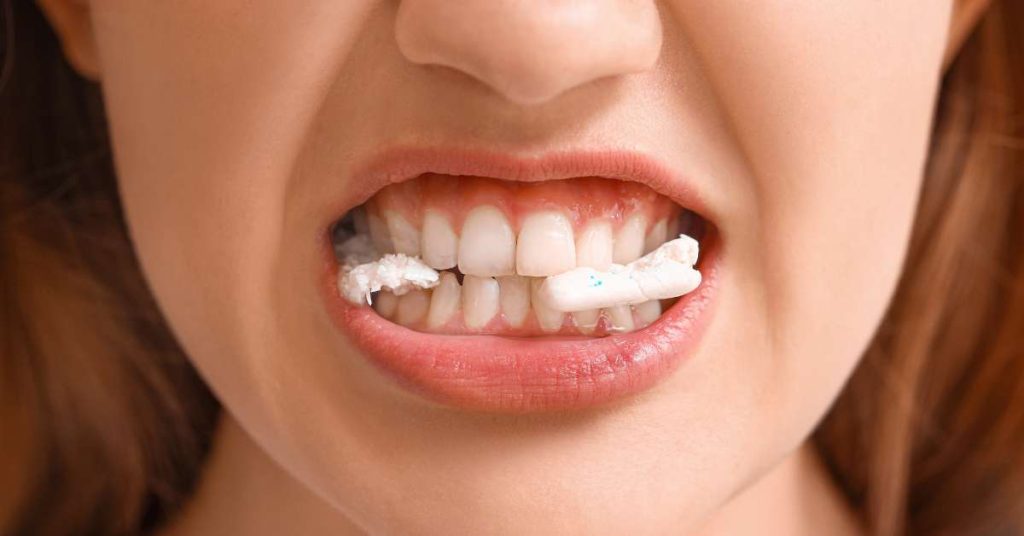
Pressure on a tooth when chewing usually catches people off guard. One bite feels fine. The next makes you pause and test it again, just to be sure you felt it.
So, you felt it on the same tooth, in the same spot, and not sharp pain exactly
Our teeth are made to take force. They do it every day without complaint.
When one tooth starts reacting to pressure, something has changed below the surface. It might be a bite issue, an irritation deep inside the tooth.
The reason behind that pressure usually falls into a short list, and each one points to a very different fix.
KEY POINTS
- Pressure on a tooth when chewing usually points to a problem with how that tooth handles force, such as a bite issue, a hidden crack, decay near the nerve, or irritation around the root.
- Chewing pressure pain rarely fixes itself. Identifying the cause early makes treatment simpler and helps prevent the discomfort from turning into a more serious dental problem.
Common Reasons You Feel Pressure on a Tooth When Chewing
Pressure on a tooth when chewing usually comes from a problem affecting how that tooth handles force. In most cases, the issue sits either in the bite, the tooth structure, or the tissue around the root.
Each cause feels slightly different, but all of them share one thing: chewing triggers pressure that should not be there.
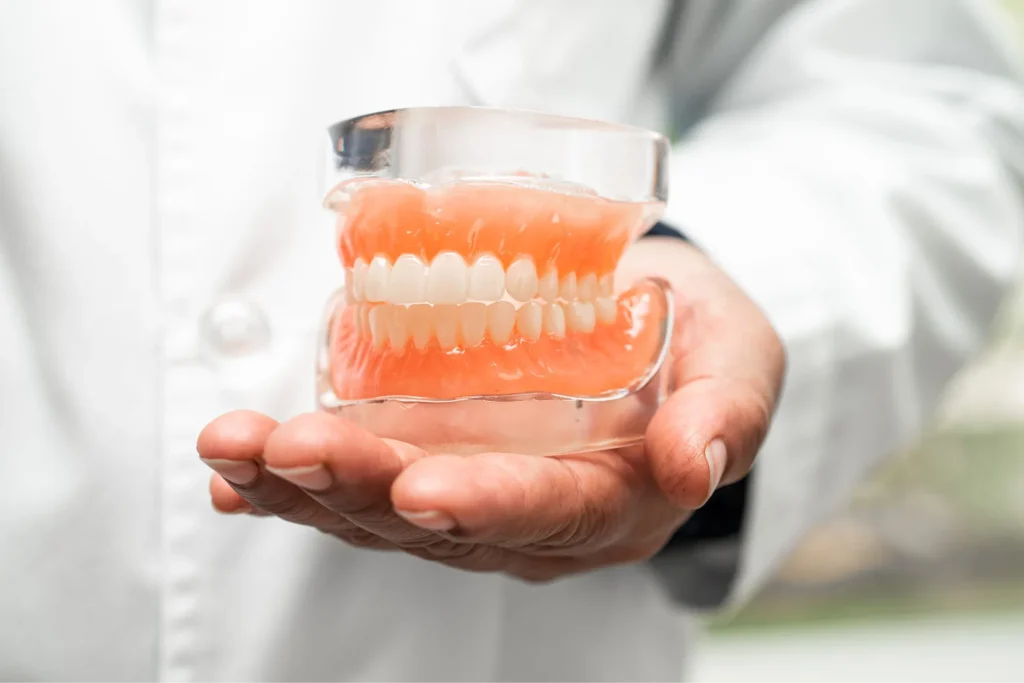
Bite Problems After Dental Work
A dental filling or dental crown that sits too high can cause pressure pain when chewing. Even a small height difference forces one tooth to absorb more pressure than the rest.
That extra load does not show up at rest. Brushing and drinking still feel normal. Once food adds resistance, the tooth reacts, and discomfort shows up fast.
Small Cracks That Do Not Show on X-Rays
A cracked tooth can cause pressure pain even when it looks fine. Many cracks stay hidden on X-rays and only react when force passes through the tooth.
Pain often appears when biting down or releasing pressure. At first, it comes and goes, which makes waiting tempting. Over time, cracks tend to spread, and pressure pain becomes harder to ignore.
Inflammation or Infection Near the Root
Inflammation near the root causes deep pressure pain when chewing. The bone and ligament around the tooth become sensitive, so biting can push directly on irritated tissue.
Pain may linger after meals rather than fade. Some people notice soreness without food or a tooth that feels slightly taller when biting together.
Decay Close to the Nerve
Decay near the nerve often causes pressure pain before a full-blown toothache. Chewing becomes the trigger while the tooth still feels quiet at rest.
Heat sensitivity commonly follows. Cold may stop bothering the tooth, while pressure becomes the main warning sign that the nerve is irritated.
When Pressure Pain Does Not Come From the Tooth
Pressure pain does not always start inside the tooth. Sinus inflammation, gum infection, or surrounding tissue can react when opposing teeth make contact.
Clinical research published by the National Institutes of Health explains that dental pain triggered by pressure can overlap with nerve and sinus pain, which is why chewing discomfort can feel confusing without an exam.
How Do Dentists Find the Cause?
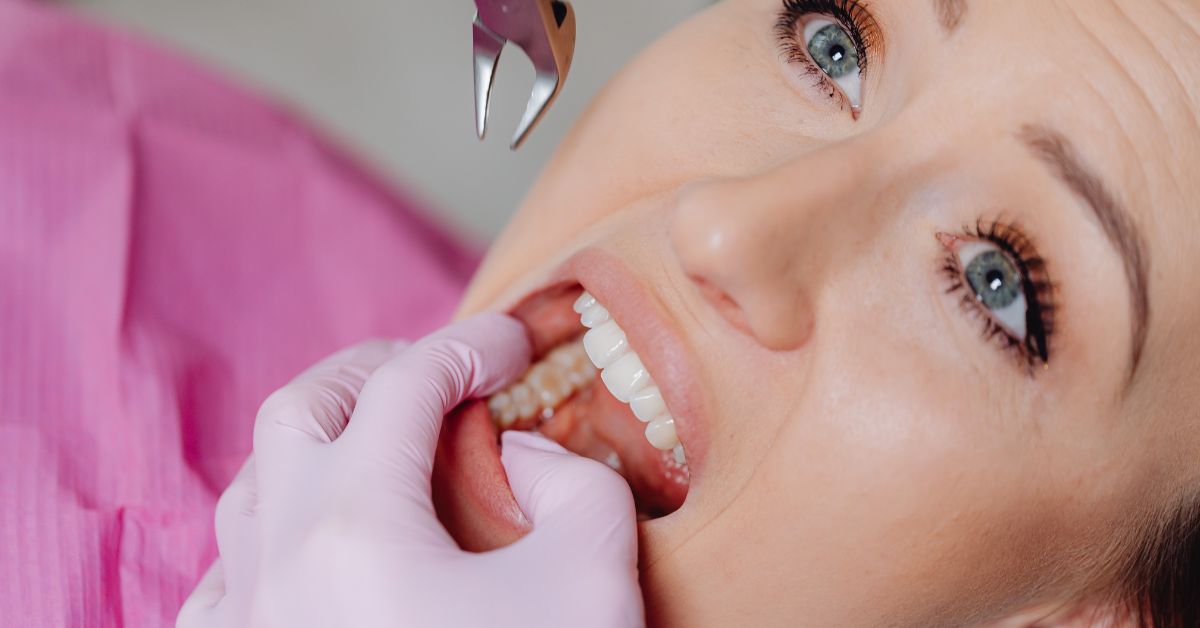
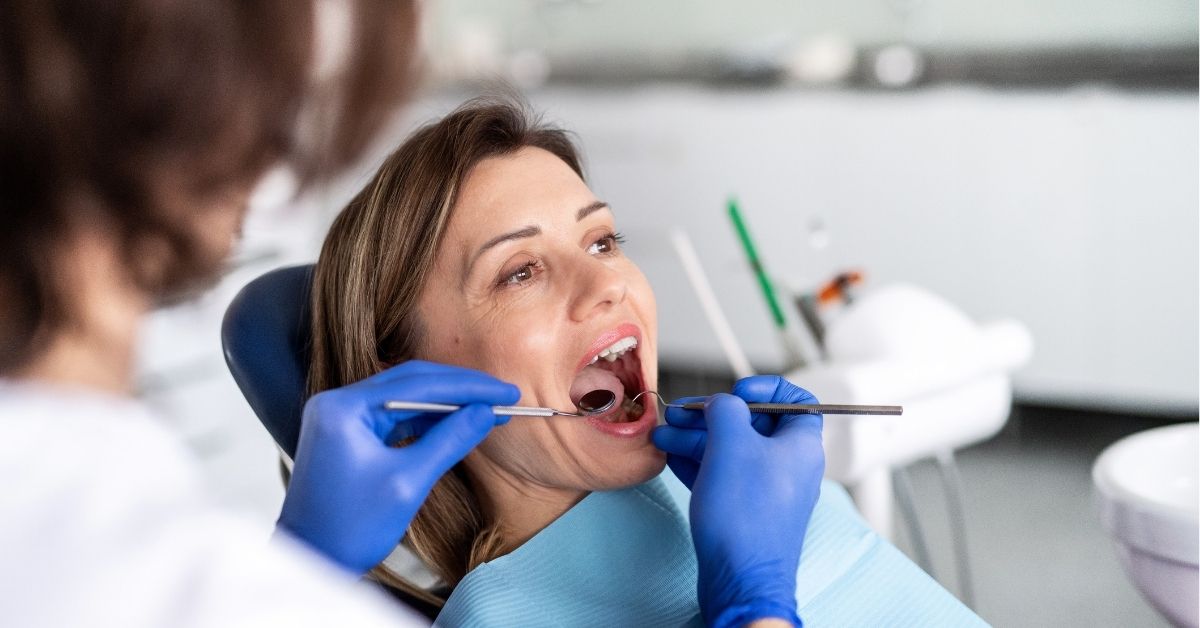
An exam at a professional dental clinic helps identify the cause early and protects the tooth before the problem spreads.
Dentists identify pressure pain by testing how a tooth handles force, not by checking surface sensitivity. Bite checks show whether one tooth takes more load than the others during chewing.
Pressure testing helps reveal how the tooth reacts under pressure. Imaging rules out infection or bone changes, while gum measurements and visual exams complete the picture.
Note that guessing often leads to the wrong treatment. That is why careful testing points to the real source of the pressure.
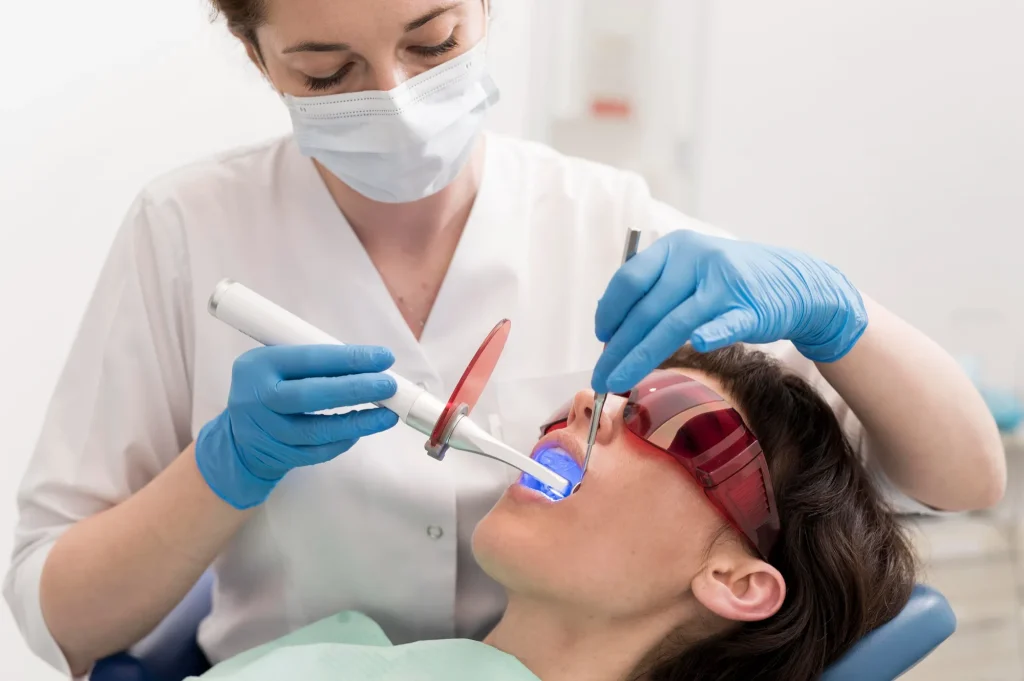
Take the Pressure Seriously Before It Gets Worse
Pressure on a tooth when chewing rarely stays the same. What starts as a mild annoyance often becomes constant discomfort as the underlying problem progresses.
At Digital Aesthetic Dentistry, the focus is on finding the source of that pressure early. Care starts with careful bite checks, detailed imaging, and time spent figuring out what is actually causing the discomfort, not guessing or rushing to treatment. That approach helps protect the tooth and avoid bigger problems later.
FAQs
Can pressure pain go away on its own?
Pressure pain rarely resolves without treatment. In most cases, the cause stays active and slowly worsens, even if the pain comes and goes at first.
Is pressure pain always a sign of infection?
Not always. Bite issues, cracks, or inflammation can cause pressure pain without infection. An exam is needed to tell the difference.
Should I avoid chewing on that side?
Yes. Avoiding pressure can limit irritation, but it does not fix the cause. Chewing on the other side should only be temporary.