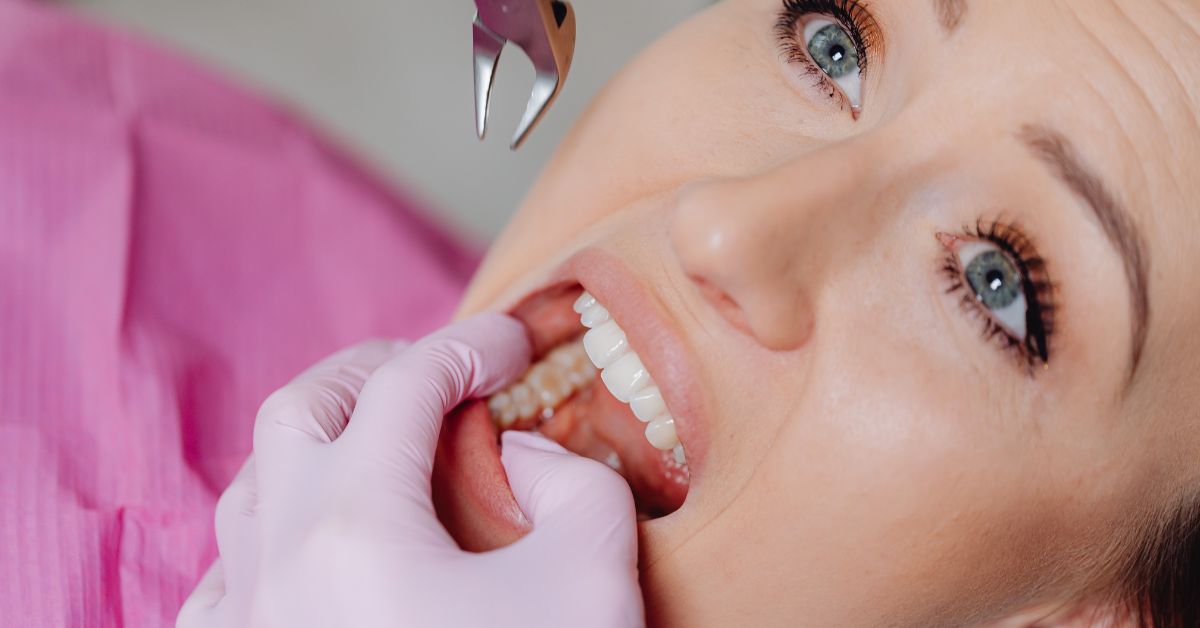
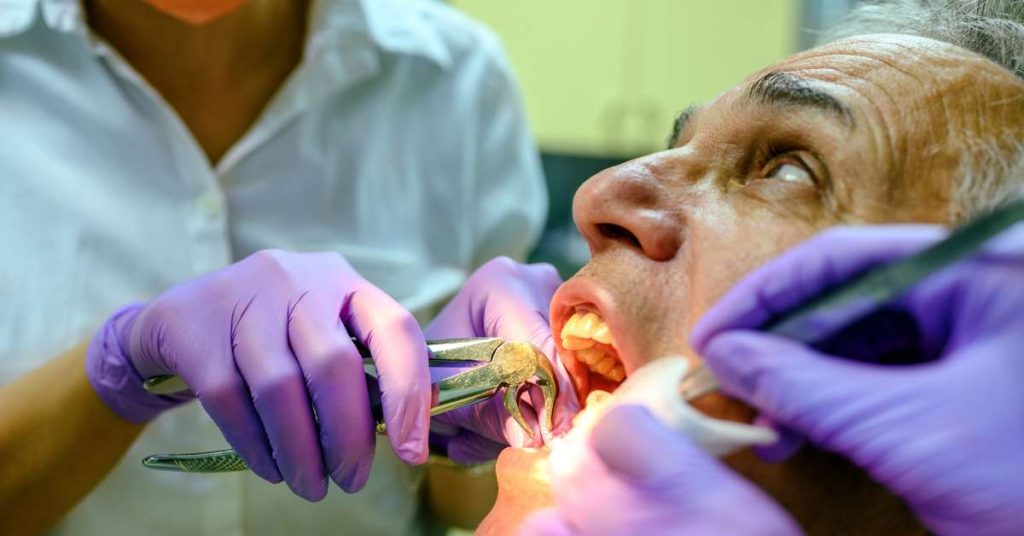
An awful taste in the mouth after tooth extraction can show up within hours of the procedure and linger longer than expected.
One minute, everything feels normal; the next, there’s a metallic or sour flavor that does not seem to fade.
In many cases, that taste is part of the healing process. Other times, it signals that something isn’t progressing as it should.
Knowing the difference makes recovery much less stressful.
Key Takeaways
- A mild metallic or unpleasant taste during the first few days after extraction is common and usually related to normal healing.
- A persistent foul taste, combined with worsening pain, swelling, or fever, may indicate dry socket or infection and requires evaluation.
Is an Awful Taste After a Tooth Extraction Normal?
Yes, it can be normal during early healing. After a professional tooth extraction, a blood clot forms in the empty socket. That clot protects the underlying bone and nerve endings while new tissue begins to grow.
As the clot stabilizes and tissue begins repairing, small amounts of blood and healing fluid can create a metallic or slightly unpleasant taste.
A study published in the Journal of Oral and Maxillofacial Surgery found that bad taste and bad breath were among the most frequent symptoms patients experienced during the first week after surgical removal of third molars.
In most cases, the taste fades within a few days as the site stabilizes.

Common Causes of an Awful Taste in the Mouth After Extraction
Blood and Healing Fluids
A metallic or slightly bitter taste during the first 24 to 72 hours often comes from residual blood. Small amounts can remain even after bleeding stops.
As the clot breaks down naturally, mild odor or taste changes may occur. This usually improves with gentle rinsing once allowed.
Food Trapped in the Socket
After the first day, small food particles can settle into the socket. When debris sits undisturbed, bacteria begin breaking it down.
That breakdown produces odor and a sour or unpleasant taste. Gentle saltwater rinsing helps prevent buildup without disturbing healing tissue.
Dry Socket (Alveolar Osteitis)
Dry socket occurs when the protective blood clot dissolves or becomes dislodged too early.
Pain typically increases from days two to four rather than improving. The exposed bone can produce a strong, foul taste and odor. Unlike normal healing discomfort, this pain often radiates toward the ear or jaw.
Note that dry socket requires professional treatment.
Infection
An infection may develop if bacteria multiply in the socket. It does not usually improve on its own and needs clinical care.
Signs include worsening pain after day three, visible discharge, spreading swelling, fever, or a persistent bad taste that worsens rather than improves.
When the Taste Means Something Is Wrong
A mild unpleasant taste that slowly fades over a few days is usually just part of healing. Most people notice it early on, then realize it’s getting lighter without doing much.
It becomes more concerning when the taste grows stronger rather than softer or shifts into something clearly foul. If pain starts increasing after it was improving, or swelling spreads rather than settles, that change in direction matters.
Recovery should feel like things are moving forward. When symptoms begin to intensify rather than ease, that’s usually the point at which it makes sense to have the area checked.
How Dentists Treat Persistent Bad Taste
Evaluation starts with examining the socket and surrounding tissue.
If debris is present, the area can be gently irrigated. Dry socket is treated with medicated dressings that protect the exposed bone and reduce discomfort. In cases of infection, antibiotics may be prescribed when indicated.

Get Your Oral Health Checked If Something Feels Off
An awful taste in the mouth after tooth extraction should gradually improve, not intensify.
If discomfort increases or the taste becomes stronger after several days, a follow-up visit can clarify what is happening.
At Digital Aesthetic Dentistry, evaluation includes checking clot stability, tissue healing, and signs of infection before deciding on treatment.
If you are experiencing persistent symptoms, schedule a follow-up appointment for a proper assessment.
FAQs
How long should a bad taste last after extraction?
A mild metallic or unpleasant taste can last a few days. It should steadily improve within the first week.
What does dry socket taste like?
Dry socket often produces a strong, foul taste and significant pain that begins 2 to 4 days after extraction.
Can saltwater rinses fix bad taste?
Saltwater rinses help reduce bacteria and remove debris. They cannot fix dry socket or infection, but may improve mild taste caused by trapped particles.