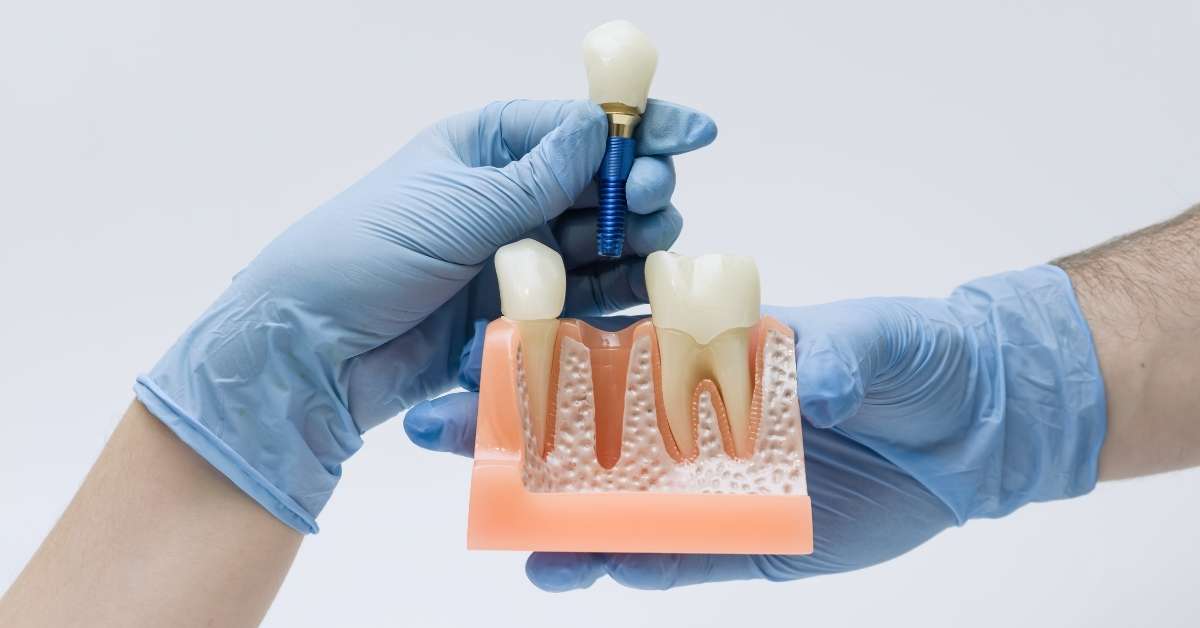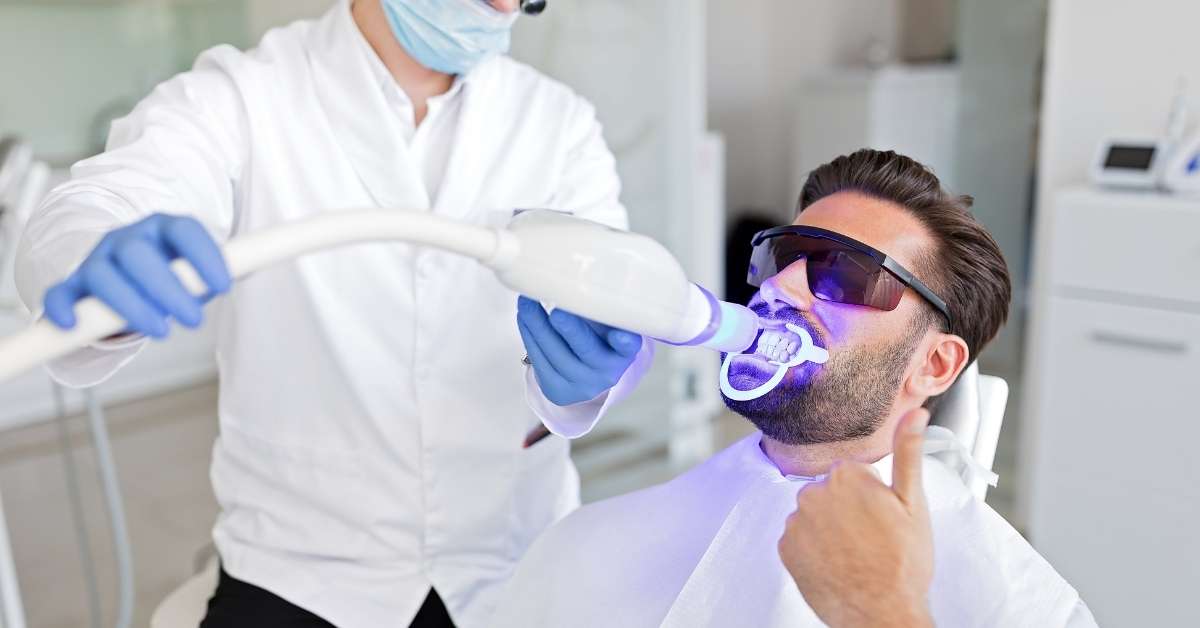

Discolored veneers cannot be whitened with traditional bleaching treatments. Whitening gels change the shade of natural enamel, not porcelain.
When veneers appear darker or uneven, the solution depends on the cause of the discoloration.
In many cases, polishing or correcting surrounding teeth may help. In others, replacement is the only predictable way to restore uniform color.
KEY POINTS
- Discolored veneers cannot be whitened since porcelain does not respond to bleaching; the cause of discoloration determines the solution.
- Replacement is often the most reliable fix when staining involves bonding, margins, or internal changes.
Why Veneers Change in Appearance Over Time
Porcelain is highly resistant to staining, but veneers are still part of a living oral environment. Changes in appearance usually stem from surrounding factors rather than the ceramic itself.
Knowing the source of discoloration determines whether maintenance or replacement is appropriate.
Surface Buildup Along the Margins
Coffee, tea, red wine, tobacco, and deeply pigmented foods can leave deposits at the edges of veneers. Even though porcelain is nonporous, plaque and surface roughness near the gumline can trap stains.
Professional cleaning and polishing often restore brightness when discoloration is superficial.
Aging or Darkening of Bonding Cement
Veneers are bonded with resin cement. Over time, that material can darken slightly, especially at the margins. Because veneers are thin and translucent, changes beneath them may become visible.
This type of discoloration cannot be corrected with whitening.
Gum Recession
When gum tissue recedes, the natural tooth beneath the veneer margin may become exposed. That exposed enamel or dentin often appears darker than the porcelain surface, creating contrast.
The veneer may still be intact, but the surrounding architecture has shifted.
Intrinsic Tooth Discoloration Beneath the Veneer
In rare cases, the underlying tooth structure can darken due to trauma, aging, or endodontic changes. If the veneer was originally thin for conservative preparation, that shift may be subtle.
A replacement with an adjusted opacity can address this.

Why Whitening Does Not Work on Discolored Veneers
Whitening agents penetrate enamel to break down internal stain molecules. Porcelain does not absorb pigments the same way natural teeth do, so bleaching products have no chemical effect on veneer color.
If surrounding natural teeth have darkened over time, whitening them may help rebalance the smile. But the veneer shade itself will remain unchanged.
When the porcelain or cement layer has shifted in color, correction requires mechanical refinement or replacement.
When Replacement Is the More Predictable Option
Replacement becomes appropriate when discoloration is internal, structural, or related to bonding integrity. Veneers that show margin staining, microleakage, chipping, or visible cement darkening cannot be lightened.
Clinical literature consistently supports porcelain veneers as a conservative method for managing anterior discoloration when properly planned and bonded.
A case report published in Contemporary Clinical Dentistry demonstrated successful aesthetic rehabilitation of fluorosis-related staining using minimally invasive porcelain veneers, with stable color outcomes over follow-up.
The report reinforces that long-term shade stability depends on preparation design, bonding protocol, and material selection.
When those factors are compromised or when materials naturally age, replacing the veneer allows for renewed control over translucency, opacity, and shade blending.
Longevity and Shade Stability of Porcelain Veneers
High-quality porcelain veneers typically maintain their color for 10 to 15 years or longer.
Ceramic materials are designed to resist pigment absorption and maintain translucency. Most visible changes occur at the margins or beneath the veneer rather than within the porcelain surface itself.
Composite veneers, by contrast, are more porous and tend to discolor more quickly.
How to Preserve the Brightness of Your Veneers?
Porcelain does not easily stain, but veneers are still influenced by daily habits and oral health. Most discoloration develops gradually at the margins or from surface buildup rather than within the ceramic itself.
Maintaining brightness is less about whitening and more about protecting the surface and the seal.
Protect the Veneer Surface
The glazed outer layer of porcelain gives veneers their shine and stain resistance. Abrasive toothpaste, charcoal products, and aggressive whitening pastes can create microscopic scratches that dull that glaze over time.
Using a non-abrasive fluoride toothpaste helps preserve smoothness and reduce surface staining.
Keep the Margins Clean
Discoloration often begins where the veneer meets the natural tooth. Plaque accumulation along these margins can create visible shadowing or staining.
Careful daily flossing and routine professional cleanings prevent buildup in these areas. During hygiene visits, controlled polishing restores gloss without damaging the ceramic.
Manage Staining Habits
Coffee, red wine, tea, tobacco, and heavily pigmented foods can leave residue along veneer edges. Rinsing with water after consuming these beverages reduces surface accumulation.
Prioritize Proper Design from the Start
Long-term color stability begins with conservative preparation, enamel preservation, precise bonding, and well-designed margins.
Veneers that are carefully planned tend to age more predictably and maintain their shade integrity.
Patients seeking durable, seamless results often explore options such as natural-looking porcelain veneers, where material selection and margin placement are engineered for long-term aesthetic stability.
When veneers are properly designed and properly maintained, they should blend naturally with surrounding teeth and retain their brightness for years.

Restore the Brightness of Your Veneers
If your veneers look darker, uneven, or no longer blend naturally with your smile, the first step is understanding why.
Discoloration may be surface-related and correctable with professional polishing, or it may involve margin staining, bonding changes, or material aging that requires replacement.
At Digital Aesthetic Dentistry, veneer evaluations focus on precision. The team assesses margin integrity, gum health, bite balance, and shade harmony before recommending any correction.
Schedule an Appointment Today!
FAQs
Can discolored veneers be whitened?
No. Whitening treatments do not alter the color of porcelain.
Why do veneers look darker at the gumline?
Discoloration at the margins is often caused by cement aging, plaque buildup, or gum recession, exposing natural tooth structure.
Do porcelain veneers stain permanently?
Porcelain itself rarely stains permanently. Most discoloration is surface-related or linked to bonding materials.