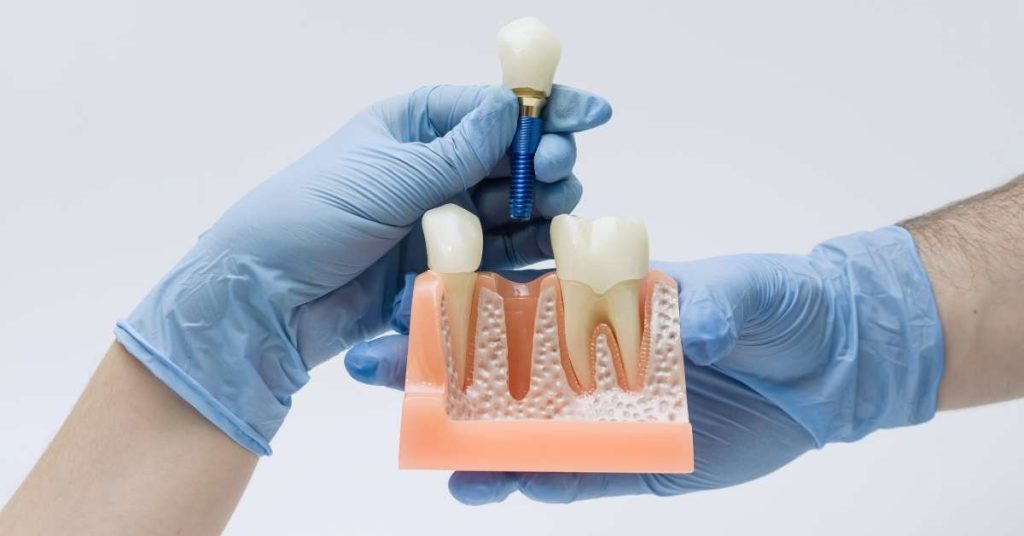
Dental implant aftercare is everything you do after surgery to help the implant heal correctly and stay stable long-term.
Once the implant is placed, the real work begins. Your body has to bond the implant to the jawbone. It’s a process called osseointegration.
During that time, small decisions matter. Rest, hygiene, and follow-up visits all influence whether healing progresses smoothly or encounters problems.
KEY POINTS
- The first 72 hours are critical for clot protection and inflammation control
- Smoking and poor hygiene significantly increase failure risk
- Structured maintenance reduces peri-implant disease
- Long-term success depends on professional monitoring and daily care
What to Expect After Implant Surgery?
Most patients notice swelling and tenderness for a few days. That’s normal; your body is responding to surgery and beginning repair.
Bone integration takes longer, often three to six months. You won’t feel that process happening; however, stability during this phase is essential. Protecting the area early makes the difference later.

Dental Implant Aftercare: What To Do?
Healing isn’t complicated, but it does require attention.
1. Rest During the First 48 Hours
Take it easy at first. Heavy workouts or long days on your feet can increase swelling. Giving your body space to recover allows blood flow to focus where it’s needed most.
2. Use Ice to Manage Swelling
Apply a cold pack to the outside of your cheek in short intervals during the first day. Swelling usually peaks around day two; therefore, early icing helps control it before it builds.
3. Choose Soft Foods
Stick with foods that don’t require forceful chewing. Yogurt, eggs, soups, smoothies — anything gentle works well.
Hard or crunchy foods can disturb the healing tissues; moreover, chewing directly over the site adds unnecessary pressure during integration.
4. Keep the Area Clean, Carefully
You don’t stop brushing; you just adjust your technique.
Avoid the surgical site for the first 24 hours. After that, brush gently with a soft toothbrush and rinse as instructed. Clean tissues heal better; however, aggressive scrubbing can slow recovery.
5. Take Medications Exactly as Prescribed
If antibiotics or anti-inflammatories are given, finish the course. Even if you feel better quickly, stopping early increases the risk of infection.
6. Attend Your Follow-Up Visits
Healing looks simple from the outside, but subtle changes happen beneath the surface. Follow-up visits allow your dentist to confirm that integration is progressing as expected.
What Not To Do After Implant Placement
Some habits interfere with healing more than people realize.
1. Avoid Smoking
Nicotine restricts blood flow; therefore, it directly affects bone healing. Even temporary smoking during recovery can increase the risk.
2. Avoid Alcohol Early On
Alcohol can delay tissue repair and interact with medications. Waiting until early healing is complete is safer.
3. Avoid Hard, Sticky, or Crunchy Foods
The implant needs stability to integrate. Excess force creates micro-movement, which the bone does not tolerate well.
4. Don’t Ignore Persistent Symptoms
If pain increases rather than decreases, or if swelling worsens after several days, it warrants evaluation. Healing should steadily improve, not reverse direction.
Why Is Long-Term Maintenance For Dental Implants Important?
Dental implants don’t decay like natural teeth; however, they can develop inflammation around the surrounding tissues.
Unlike natural teeth, implants don’t have a periodontal ligament. For that reason, they rely heavily on plaque control and professional monitoring.
A clinical review published in International Scholarly Research Notices explains that consistent maintenance, including probing assessments and radiographic evaluation, is critical for preventing peri-implant disease and protecting long-term stability
Once integration is complete, daily hygiene becomes your protection plan.
Brush twice daily with a soft brush. Floss carefully around the implant. Maintain regular hygiene visits to prevent early inflammation from progressing to advanced disease.
Patients who follow structured maintenance plans benefit from expert dental implant care that includes tissue evaluation, bite assessment, and periodic bone monitoring.
Protect Your Dental Implants
Dental implants are designed to last decades. Still, longevity depends on how consistently they’re cared for.
At Digital Aesthetic Dentistry, implant follow-up visits focus on tissue health, stability, and subtle changes that patients often don’t notice themselves. Early detection prevents bigger corrections later.
FAQs
How long does dental implant healing take?
Initial soft-tissue healing usually takes 1 to 2 weeks. However, full bone integration, the process that stabilizes the implant, typically takes three to six months. You may feel normal within days; still, integration continues beneath the surface.
Is swelling normal after implant surgery?
Yes. Mild to moderate swelling during the first few days is expected. It often peaks around day two or three, then gradually decreases.
If swelling persists or worsens after several days, it should be evaluated.
When can I eat normally again?
Most patients return to a normal diet within 1 to 2 weeks, depending on the procedure and their comfort level.
That said, chewing directly over the implant site should be avoided until your dentist confirms stability.