TL;DR:
A back tooth chipped with a filling may indicate weakened tooth structure, wear, or damage around the restoration. Prompt dental evaluation can help prevent further cracking, pain, infection, or the need for more extensive treatment.
Introduction
Discovering a chipped back tooth, especially one that already has a filling, can feel alarming. Even a small crack or missing piece may affect how you chew, increase tooth sensitivity, or expose the tooth to further damage.
This article explains the common causes of a chipped back tooth with filling, warning signs to watch for, immediate steps to take, and what to expect during treatment. You’ll also learn how modern digital dentistry helps dentists diagnose and repair damaged teeth with greater precision and comfort.
Key Takeaways
- A back tooth with a filling may chip due to wear, grinding, decay, or trauma
- Small chips are not always emergencies, but prompt evaluation helps prevent complications
- Pain, swelling, sensitivity, or difficulty chewing may indicate a more serious issue
- Digital imaging helps dentists assess cracks and damaged fillings accurately
- Treatment may include replacing the filling, bonding, crowns, or restorative care
What Is a Back Tooth Chipped with Filling?
A back tooth chipped with filling means part of the natural tooth structure, the filling material, or both have fractured or broken away. Molars and premolars are especially vulnerable because they absorb heavy chewing forces every day.
Even strong fillings can weaken over time due to:
- Repeated chewing pressure
- Teeth grinding or clenching
- Aging restorations
- Tooth decay beneath the filling
- Sudden trauma or biting hard foods
Because back teeth handle significant force, untreated chips may worsen quickly if not professionally evaluated.
Causes of Chipped Filled Teeth
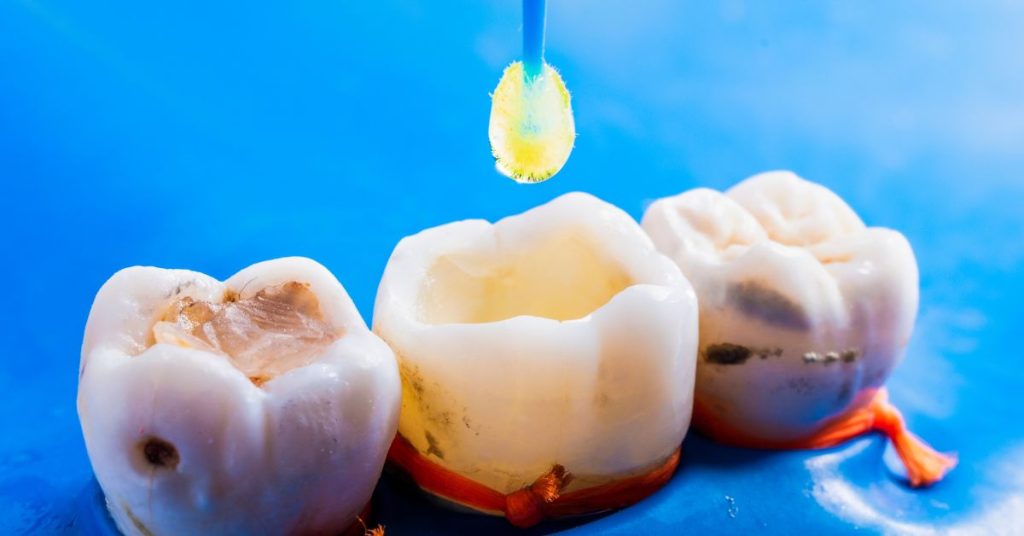
A chipped tooth is often caused by stress placed on an already weakened tooth structure. Fillings restore teeth, but large fillings can sometimes leave less natural enamel to support the tooth over time.
Large or Aging Fillings
Older fillings may wear down, loosen, or weaken surrounding enamel. As the tooth flexes under pressure, cracks or chips can develop.
Patients with worn restorations may benefit from regular exams and general dentistry services to monitor existing dental work before fractures occur.
Teeth Grinding (Bruxism)
Grinding and clenching place repeated pressure on molars, increasing the risk of fractures around fillings.
Biting Hard Foods or Objects
Chewing ice, hard candy, popcorn kernels, or similar foods may chip a restored tooth unexpectedly.
Decay Under the Filling
Bacteria can sometimes enter around an older filling, weakening the tooth from underneath.
Trauma or Injury
Sports injuries, falls, or accidental impacts may crack or chip a tooth even if the filling itself remains intact.
At Your Digital Dentist, advanced digital imaging technology helps identify hidden cracks and evaluate whether damage extends beneath the visible surface of the tooth.
Immediate Steps to Take
If you chip a back tooth with a filling, taking the right steps early can help reduce discomfort and prevent further damage.
What You Should Do Right Away
- Rinse your mouth gently with warm water
- Avoid chewing on the affected side
- Save any broken filling or tooth fragments if possible
- Avoid very hot, cold, or sugary foods if sensitivity occurs
- Use dental wax or sugar-free gum temporarily if sharp edges irritate your tongue or cheek
- Schedule a dental appointment promptly
Even if the tooth is not painful, cracks can worsen over time. Early treatment is usually simpler and more conservative.
Patients experiencing discomfort or sudden dental damage may also benefit from prompt evaluation through the clinic’s emergency dental care services to help prevent further complications.
Signs of a Serious Issue
Some chipped teeth require urgent attention, especially if the damage affects the inner layers of the tooth.
Warning Signs to Watch For
- Sharp or persistent pain
- Swelling around the tooth or gums
- Sensitivity to heat or cold
- Pain when biting down
- Bleeding near the tooth
- A loose filling or a loose tooth fragment
- Visible deep cracks or dark discoloration
- Difficulty chewing normally
These symptoms may suggest nerve involvement, infection, or a more significant fracture.
Patients experiencing ongoing discomfort may benefit from a comprehensive evaluation andprofessional dental filling treatment to restore strength and function before additional damage occurs.
Why Repairing a Chipped Filled Tooth Matters for Oral Health
Repairing a chipped tooth quickly helps protect both oral health and long-term tooth stability.
Without treatment, damage may lead to:
- Larger fractures
- Tooth infection
- Increased sensitivity
- Bite problems
- Further filling failure
- Need for root canal treatment or extraction
Modern restorative dentistry focuses on preserving as much healthy tooth structure as possible while restoring comfort and function.
Digital dentistry tools, including 3D imaging and precise diagnostics, help dentists create more predictable, customized treatment plans for damaged teeth.
What to Expect at the Dentist
During your appointment, the dentist will evaluate both the filling and the remaining tooth structure to determine the best repair option.
Digital Examination and Imaging
Digital X-rays or advanced imaging may be used to check for:
- Hidden cracks
- Decay beneath the filling
- Root involvement
- Structural weakness
- Bite alignment issues
At Your Digital Dentist, digital diagnostics support more accurate treatment planning and earlier detection of damage that may not be visible during a standard visual exam.
Treatment Options
Treatment depends on the severity of the chip.
Filling Replacement: If the damage is minor, the dentist may replace or repair the filling.
Dental Bonding: Tooth-colored composite material may rebuild small chipped areas.
Dental Crown: Larger fractures may require a crown to protect and strengthen the tooth.
Root Canal Therapy: If the tooth nerve is affected, root canal treatment may be necessary before restoration.
Custom Restorations: Advanced digital impressions and modern restorative materials help improve fit, comfort, and durability.

Benefits, Considerations, or Limitations
Benefits of Early Repair
- Prevents worsening fractures
- Reduces sensitivity and discomfort
- Restores chewing function
- Helps preserve the natural tooth
- Improves long-term oral health outcomes
Important Considerations
- Larger cracks may not always be visible immediately
- Delaying treatment can increase complications
- Old fillings sometimes require full replacement
- Teeth grinding may need additional protection, like a night guard
Potential Limitations
- Severely fractured teeth may need extensive restoration
- Some cracks extend below the gumline and are harder to repair
- Very large fillings may weaken tooth structure over time
When to See a Dentist
You should schedule a dental evaluation if you notice:
- A chipped or rough tooth surface
- Missing filling material
- Sudden tooth sensitivity
- Pain when chewing
- Swelling or gum irritation
- Changes in your bite
Even painless chips deserve attention because hidden fractures may continue spreading beneath the surface.
Your Digital Dentist combines compassionate care with advanced digital technology to diagnose chipped teeth accurately and recommend personalized restorative solutions focused on comfort, function, and long-term smile health.
Frequently Asked Questions
Can a chipped back tooth be filled?
Yes. Many chipped back teeth can be repaired with a filling if the damage is minor and enough healthy tooth structure remains.
What happens if you chip a tooth that has a filling?
The filling, surrounding tooth structure, or both may crack or loosen. A dentist will evaluate whether the filling can be repaired or needs replacement.
How serious is a chipped back tooth?
Some small chips are minor, but deeper cracks can lead to infection, nerve damage, or worsening fractures if untreated.
Can a chipped tooth in the back be fixed?
Yes. Depending on the severity, treatment may include bonding, filling replacement, crowns, or other restorative procedures.
Final Thoughts and Recap
A back tooth chipped with filling should not be ignored, even if discomfort seems minor at first.
- Chipped, filled teeth are common in heavily used back teeth
- Early evaluation helps prevent larger fractures and complications
- Digital diagnostics improve accuracy and treatment planning
- Modern restorative dentistry offers several effective repair options
- Prompt care supports long-term tooth preservation and comfort
Schedule your consultation with Your Digital Dentist today to protect your tooth and restore your smile with modern, patient-centered care.