A gap-tooth makeover can be a simple cosmetic refresh or a more comprehensive dental plan, depending on the reason for the space and what you want to change. Some people grow up loving their gap.
Others reach a point where it affects their confidence, photos, or how they feel when they smile. Neither reaction is negative. What matters is knowing your options and choosing a solution that actually fits your teeth.
The good news is that modern dentistry offers several ways to close or visually balance gaps, many without braces and some in just a few visits.
KEY POINTS
- Tooth gaps have multiple causes, and not all require treatment. Fixing a gap is optional unless it affects oral health or personal confidence.
- Depending on the gap size and cause, solutions range from quick cosmetic fixes, such as bonding or veneers, to aligners, braces, implants, or tissue-related treatments, with long-term stability guiding the final choice.
What Causes Gaps Between Teeth
According to the National Library of Medicine, gaps between teeth, also known as diastemas, occur for various reasons. Identifying the cause is important because it affects which solution works best.
Common causes include:
- Genetics, where natural spacing runs in families
- Missing teeth, which allow nearby teeth to drift
- An oversized labial frenum, the tissue between the upper lip and gums
- Tooth and jaw size mismatch, where the teeth are smaller than the available space
- Childhood habits, such as thumb sucking or tongue pressure
In many cases, more than one factor is involved.
Do You Need to Fix a Gap Between Your Teeth?
Not always. A gap does not automatically mean something is wrong. From a health standpoint, many gaps are harmless.
That said, larger spaces can trap food more easily and make plaque harder to clean. Some patients also notice uneven wear, shifting teeth, or gum irritation over time.
For others, the decision is purely cosmetic. If the gap bothers you when you smile or speak, that alone is a valid reason to explore options.
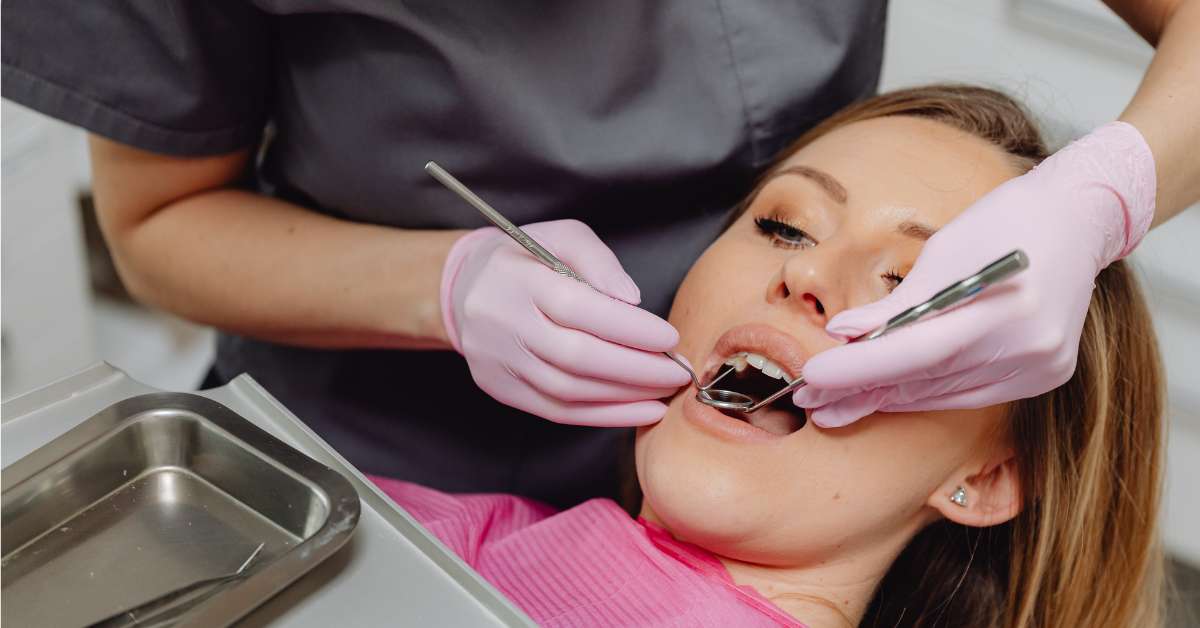
An exam helps determine whether closing the gap is about appearance, function, or both.
Gap-Tooth Makeover Options
There is no single “best” way to fix gaps. Treatment depends on gap size, location, tooth shape, and long-term goals.
Quick Cosmetic Solutions
- Dental bonding
Bonding uses tooth-colored resin to fill small to moderate gaps. It’s one of the fastest and least invasive options. Results are immediate, though bonding may stain or wear over time and occasionally needs touch-ups. - Veneers
Porcelain or composite veneers cover the front of the teeth, closing gaps while also improving shape and color. Veneers are often chosen when gaps are part of a broader smile makeover.
Tooth Movement Options
- Clear aligners
Aligners gradually move teeth together over time. They’re often used when gaps are part of overall spacing or alignment issues. Results are predictable, but treatment takes longer than cosmetic bonding or veneers. - Braces
Traditional braces remain effective for larger gaps or complex bite issues. They’re less common for purely cosmetic gaps but still play a role in certain cases.
Restorative Options for Missing Teeth
When a gap exists because a tooth is missing, implants replace the tooth from the root up. They help prevent shifting and support long-term stability.
Bridges use neighboring teeth to support an artificial tooth that fills the space left by a missing tooth. They’re sometimes used when implants aren’t an option.
Gum and Tissue-Related Solutions
In some cases, the gap isn’t caused by tooth position at all. Excess gum tissue or a thick frenum can push teeth apart. Addressing the tissue may be part of the plan, either on its own or in conjunction with cosmetic treatment.
How Dentists Choose the Right Gap-Closure Method
Closing a gap isn’t about picking the fastest fix. Dentists look at:
- The size and location of the gap
- Tooth shape and enamel condition
- Bite alignment and jaw movement
- Risk of the gap reopening
- Timeline, durability, and maintenance
Sometimes the best result comes from making the smile look balanced rather than fully closing every space.
What Happens After a Gap-Tooth Makeover?
You maintain it. Aligner or brace treatment usually requires retainers to keep gaps from reopening. Bonding and veneers need good hygiene and regular checkups.
Habits such as grinding or tongue pressure may need to be addressed to maintain results.
A gap-tooth makeover is most effective when all options are considered. An advanced dental clinic in Baymeadows offers flexibility, whether it’s cosmetic, orthodontic, or restorative solutions under one roof, so treatment is based on what your teeth need, not what’s easiest to offer.
Find the Right Fix for Your Tooth Gap
Every gap has a different cause, which means the solution should be just as specific.
The next step isn’t guessing or choosing the fastest option. It’s a clear evaluation that assesses tooth position, spacing, bite, and long-term stability.
At Digital Aesthetic Dentistry, patients receive personalized assessments that help determine whether bonding, veneers, aligners, or restorative care is the right fit.
FAQs
Can gaps reopen after treatment?
Yes. Without retainers or proper maintenance, teeth can shift back over time.
Is bonding permanent?
Bonding is durable but not permanent. It may need touch-ups or replacement after several years.
Can gaps be fixed without braces?
Many gaps can be closed with bonding or veneers, depending on size and tooth position.
Do aligners always take years?
Not always. Small spacing issues may take only a few months to resolve.