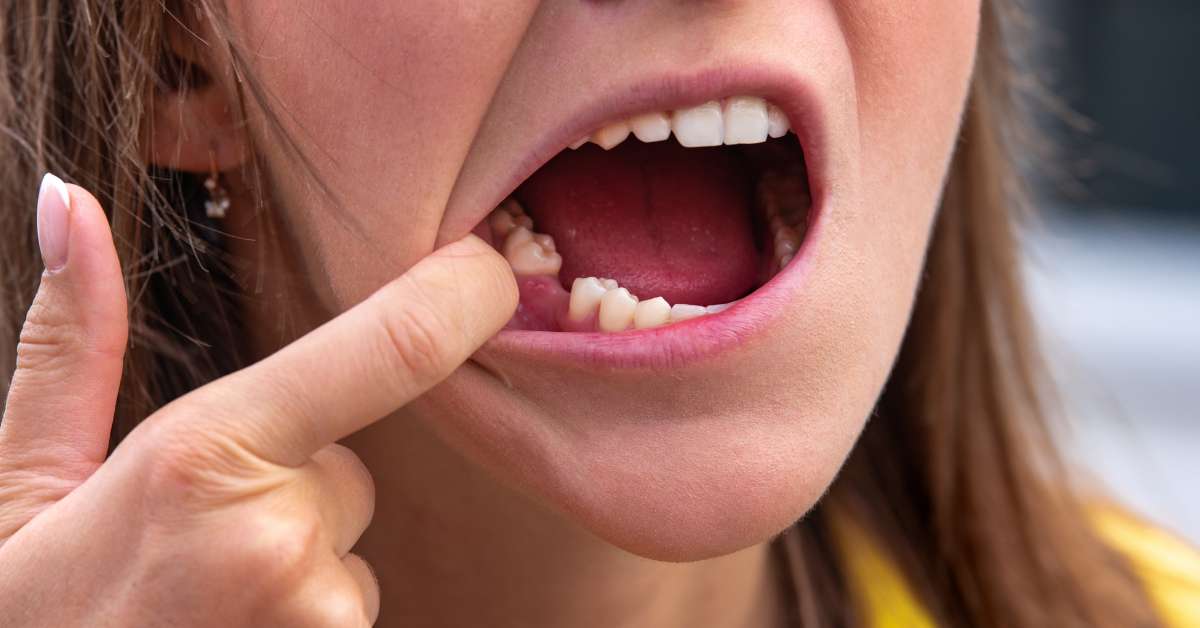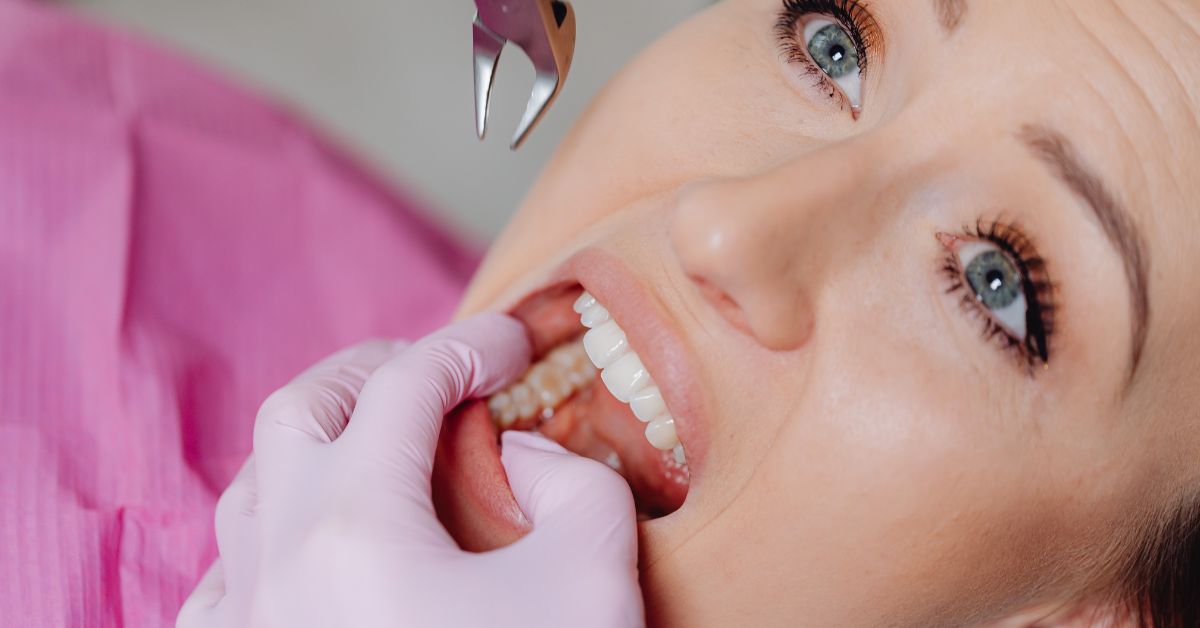
An uneven tooth in your smile rarely stays an isolated issue. The eye finds it, photos catch it, and the rest of your smile starts to look uneven by association.
The harder part is figuring out what “uneven” actually means for your case. “Uneven teeth” is really three different problems wearing the same label, and each one has a different fix. Get the diagnosis wrong, and you can spend on a treatment that does not solve the real issue.
Here is how to tell which kind of uneven teeth you have, what caused them, and what to actually do about them.
KEY POINTS
- Uneven teeth cover three distinct issues: alignment, length, and edges or contour. The right fix depends on which one is actually showing up in your smile, not on which treatment is trending online.
- Most cosmetic fixes only address the surface of the problem. If the underlying cause is grinding, gum recession, or jaw misalignment, the fix will not last unless the cause is handled too.
First, Figure Out Which “Uneven” You Actually Have
Three different patterns are called “uneven teeth” by patients. Each one tells your dentist something different.
Uneven Alignment
Your teeth are sitting in the right places vertically, but they twist, crowd, or stick out at angles. The line of your bite zigzags instead of running straight. It is an orthodontic problem at heart.
Uneven Length
Some teeth look longer or shorter than the ones next to them. You see this most often on the front upper teeth. Heavy nighttime grinding shortens one tooth, while gum recession makes another look longer than its neighbor.
Uneven Edges or Contour
The teeth are the right size and in the right spot, but the edges along the top are jagged, chipped, or sloped. Often this comes from wear, an old chip, or a tooth that simply erupted with a different edge contour.
A quick way to read your own smile in the mirror: look at the line where your upper teeth meet your lower lip when you smile widely. If that line curves smoothly, your edges are fine. If it has visible steps in it, you have an edge problem.

What Causes Uneven Teeth in the First Place
Most cases have a story behind them. The common patterns:
- Genetics. Your jaw size, tooth size, and arch form are largely inherited.
- Bruxism. Heavy grinding gradually shortens enamel and changes how the edges line up.
- Trauma to the face or mouth that knocks a tooth out of position or chips an edge.
- Gum recession that exposes more of one tooth, making it look longer than the neighbors.
- Worn-out fillings or crowns that no longer match the height of the original tooth.
- A missing tooth that has not been replaced, which lets nearby teeth drift and tip into the gap.
- Habits like nail biting, ice chewing, or always sleeping on one side of the face.
According to a 2020 scoping review in the Dental Press Journal of Orthodontics, malocclusion is one of the most common oral health concerns worldwide, with prevalence ranging from 39% to 93% across populations. Translation: you are not alone, and most cases are very fixable.
How to Fix Uneven Teeth (By Type)
The right fix matches the type, not the trend. Here is the breakdown.
If You Have Uneven Alignment
Clear aligners (like Invisalign) or traditional braces are the standard. Aligners work well for mild to moderate crowding and rotation. Severe cases or significant bite problems usually need braces. Treatment runs anywhere from six to eighteen months for most adults.
If You Have Uneven Length
Porcelain veneers for uneven teeth handle this category well. A thin layer of porcelain bonds to the front of the tooth and rebuilds the height visually. The dentist can match colors and proportions across the whole smile, which is useful when one short tooth is throwing off the rest.
If only one or two teeth are short and the rest of the smile is solid, a crown on the affected tooth can rebuild height while restoring chewing strength.
If You Have Uneven Edges or Contour
Dental bonding handles this category cleanly. The dentist applies a tooth-colored resin, sculpts it to match the surrounding contour, and cures it in place. The whole appointment takes around 30 to 60 minutes per tooth, with no shots and no drilling in most cases.
For very minor edge unevenness, contouring (a tiny adjustment of the enamel) can be enough on its own. It is fast, painless, and permanent.
When Doing Nothing Costs You More
Uneven teeth that you ignore tend to become more uneven over time. Here is why.
- Worn edges keep wearing. The thinner the enamel, the faster it chips, and the more uneven the line gets.
- Misaligned teeth wear unevenly across the bite, which often shows up as TMJ pain or headaches.
- A recession that exposes one tooth tends to keep going if the cause (brushing too hard, gum disease, grinding) is not addressed.
- A short tooth changes how you bite without you realizing it. Other teeth then take more load and wear faster.
Translation: the fix is usually easier and cheaper the earlier you start. Delay tends to add restorative work that would not have been necessary.
Get an Even, Confident Smile
An uneven smile is a fixable problem, and the right plan is usually simpler than most people assume.
At Digital Aesthetic Dentistry, we look at your bite, your enamel, your gum line, and the actual cause of the unevenness before recommending a treatment. You get a clear read on whether you need orthodontic work, restorative work, cosmetic work, or some combination of the three.

FAQs
Can I fix uneven teeth without braces?
Often, yes. If the issue is length, edges, or contour, cosmetic options like bonding, veneers, or contouring can address it without moving your teeth. If the issue is true misalignment, you do need some kind of tooth movement. It might be clear aligners, not metal braces.
How long does dental bonding last on uneven teeth?
Five to ten years on average, depending on where it is placed and how you treat it. A bond on a chewing surface wears faster than a bond on a front edge. If you skip ice, hard candy, and nail biting, it usually lasts toward the longer end of that range.
Are veneers permanent?
The veneers themselves last 10 to 20 years with proper care. The preparation is permanent, though, since a thin layer of enamel gets removed to make room for the veneer. Once you choose veneers for that tooth, you commit to keeping them on it. You can remove bonding. You cannot remove veneers.