TL;DR:
Proper tooth extraction aftercare helps protect the blood clot, reduce discomfort, and support faster healing. Following your dentist’s instructions and knowing what to avoid can help prevent complications like dry socket and infection.
Introduction
If you’ve recently had a tooth removed, you may be wondering how to care for your mouth during recovery. Proper tooth extraction aftercare plays a crucial role in protecting the extraction site and promoting comfortable healing. Understanding what to do and what to avoid can help minimize complications and get you back to your normal routine sooner.
This guide to tooth extraction aftercare explains what to expect after a tooth extraction, shares important recovery tips, and highlights when you should contact your dental team.
Key Takeaways
- Tooth extraction aftercare focuses on protecting the blood clot and preventing complications.
- The first 24 hours are the most important for healing.
- Gentle cleaning and good oral hygiene support recovery after the initial healing phase.
- Swelling and mild discomfort are normal and often peak around day three.
- Contact your dentist if you experience severe pain, excessive bleeding, or signs of infection.
What Is Tooth Extraction Aftercare?
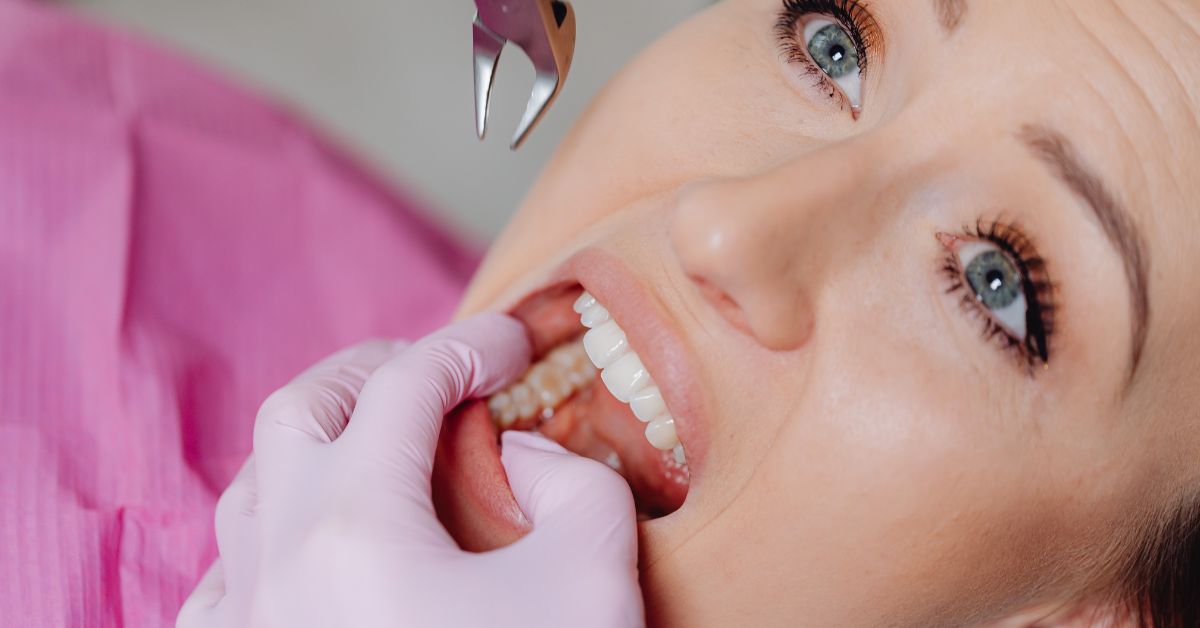
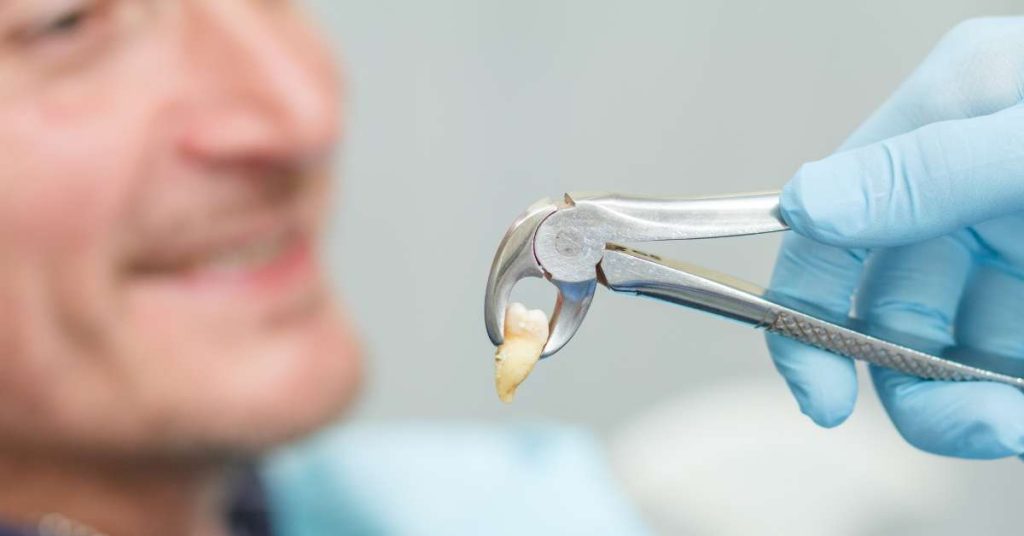
Tooth extraction aftercare refers to the steps you take after a tooth is removed to encourage healing and reduce the risk of complications.
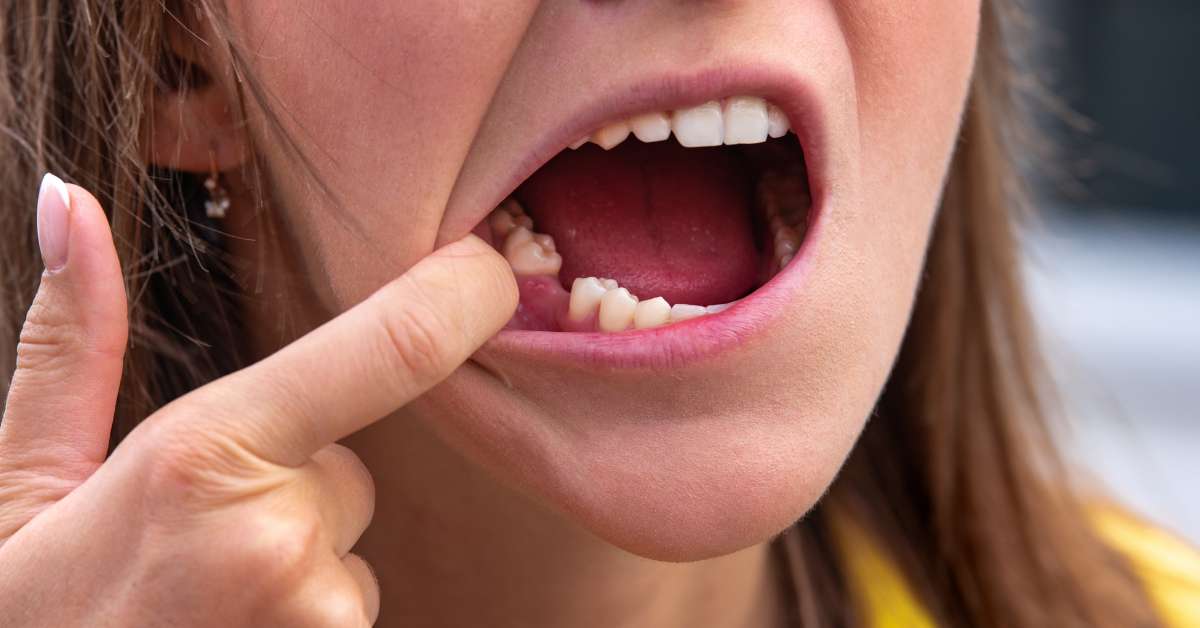
After an extraction, a blood clot forms in the socket where the tooth was removed. This clot protects the bone and nerves underneath while new tissue develops. Proper care helps keep this clot intact and supports a smooth recovery.
Following your dentist’s instructions can make healing more comfortable and reduce the risk of dry socket or infection.

Why Tooth Extraction Aftercare Matters for Oral Health
Good aftercare helps your mouth heal properly and protects your overall oral health.
Benefits of proper aftercare include:
- Reduced pain and swelling
- Lower risk of dry socket
- Decreased chance of infection
- Faster healing of gum tissue
- Improved comfort during recovery
Ignoring aftercare instructions can delay healing and lead to complications requiring additional treatment.
How Tooth Extraction Recovery Works
Healing after a tooth extraction happens in stages.
Immediately After the Procedure
A blood clot forms inside the socket. This natural clot acts as a protective layer while healing begins.
First 24 Hours: Focus on Clotting
The first day after extraction is critical because protecting the blood clot helps prevent dry socket.
Do:
- Bite gently on gauze as instructed.
- Rest and keep your head elevated.
- Apply ice packs to reduce swelling.
- Eat soft foods like yogurt, applesauce, or mashed potatoes.
- Stay hydrated.
Don’t:
- Smoke or vape.
- Use straws.
- Spit forcefully.
- Drink alcohol.
- Rinse vigorously.
- Engage in strenuous exercise.
Avoiding suction and excessive pressure helps keep the clot in place and supports healthy healing.
After 24 Hours: Gentle Cleaning and Recovery
After the first day, gentle oral hygiene becomes important.
You can:
- Carefully brush around the extraction area.
- Rinse gently with warm salt water several times daily.
- Continue eating soft foods and gradually reintroduce regular foods.
- Stay hydrated and rest as needed.
Most patients notice steady improvement over the first week, although complete healing may take several weeks, depending on the complexity of the extraction.
At Your Digital Dentist, patients who need expert tooth removal treatment benefit from advanced technology and personalized care designed to make the experience as comfortable and predictable as possible.
Benefits, Considerations, and Limitations
Proper aftercare offers many advantages, but healing varies from person to person.
Benefits
- Supports faster tissue repair
- Reduces the risk of complications
- Improves comfort during recovery
- Encourages healthy gum healing
Considerations
- Mild swelling and soreness are normal.
- Day three often brings peak swelling and discomfort.
- Complex extractions and wisdom teeth removal may require additional recovery time.
- Smoking, poor oral hygiene, and certain medical conditions can slow healing.
Limitations
- Complete healing takes time.
- Temporary dietary restrictions are necessary.
- Some discomfort is expected during the recovery process.
Recovery can vary from person to person. At Your Digital Dentist, we use advanced digital dentistry technology to improve diagnostic accuracy and treatment planning, helping patients receive personalized care with greater comfort and predictability throughout every stage of treatment.
When to Call Your Dentist
Most healing progresses normally, but certain symptoms require professional attention.
Contact your dentist if you experience:
- Heavy bleeding that doesn’t stop
- Severe or worsening pain after several days
- Fever or chills
- Pus or foul-tasting drainage
- Persistent bad breath
- Increasing swelling after several days
- Difficulty swallowing or breathing
Prompt evaluation helps prevent more serious complications and supports a healthy recovery. If you develop severe pain, prolonged bleeding, or signs of infection, seeking emergency dental care can help address concerns quickly and protect your oral health.
Frequently Asked Questions
What are you not supposed to do after a tooth extraction?
Avoid smoking, drinking through straws, spitting forcefully, vigorous rinsing, heavy exercise, and eating hard or crunchy foods during the early healing phase. These activities can disturb the blood clot and increase the risk of dry socket.
Why is day 3 the worst after a tooth extraction?
Swelling and inflammation typically peak around the third day after surgery. Mild discomfort at this stage is normal and usually begins improving afterward. Severe pain, however, should be evaluated by your dentist.
How long should you rest after a tooth removal?
Most people should rest for at least 24 hours and avoid strenuous activities for several days. Recovery time varies depending on the complexity of the extraction and individual healing factors.
What can I not do after getting a tooth extracted?
You should avoid smoking, vaping, alcohol, straws, aggressive rinsing, and strenuous exercise. These habits can interfere with healing and increase the risk of complications.
How long does it take for a tooth extraction site to heal?
Initial healing generally occurs within one to two weeks, while complete bone healing may take several months. Your dentist can monitor healing during follow-up visits if needed.
Final Thoughts and Recap
Whether you need follow-up care, preventive visits, or specialized periodontal services to maintain healthy gums and support your smile, our compassionate team is here to help. We combine modern technology with personalized treatment plans to deliver comfortable, patient-centered care.
Key reminders:
- Protect the blood clot during the first 24 hours.
- Clean gently after the first day.
- Eat soft foods and stay hydrated.
- Avoid smoking, straws, and strenuous activities.
- Contact your dentist if symptoms worsen or seem unusual.
Schedule your consultation with Your Digital Dentist and let our experienced team help you maintain a healthy, confident smile.